 deutsch
 Esperanto

|
deutsch
Esperanto
|

|
La 39 plej grandaj ĉielaj korpoj en nia suna sistemo,
sortitaj laŭ iliaj mezaj sun-distancoj en AU: Ĉiuj bildoj en la sama skalo (1 bildero = 100 km, tera diametro = 12742 km) |
| Nia Suno: | 1-a planedo: | 2-a planedo: | 3-a planedo: | 4-a planedo: | asteroidoj: (2,0-3,4 AU) |
|
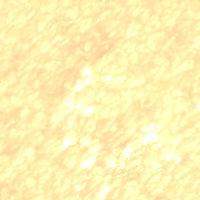 Suno (fragmento de la surfaco) en tiu skalo la suno estus 70-oble pli vasta ol tiu fragmento 0,00 AU |
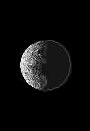 Merkuro planedo 0,38 AU |
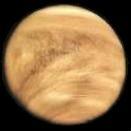 Venuso planedo 0,72 AU |
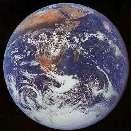 Tero planedo 1,00 AU |
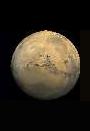 Marso planedo 1,52 AU |
 Cereso nanplanedo 2,77 AU | |
Tera luno: Luno Luno |
| 5-a planedo: | 6-a planedo: | 7-a planedo: | 8-a planedo: | plutonetoj: (39-40 AU) |
TNOj: (40-50 AU) |
disdiskanoj: (50-1000 AU) |
 Jupitero planedo 5,20 AU |
 Saturno planedo 9,54 AU |
 Urano planedo 19,19 AU |
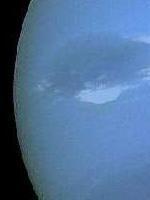 Neptuno planedo 30,07 AU |
 Orkuso plutoneto 39,2 AU  Plutono nanplanedo 39,6 AU |
 Haŭmeo nanplanedo 43,0 AU  Kvaoaro TNO 43,4 AU 2005 UQ513 TNO 43,5 AU  Makemako nanplanedo 45,3 AU 2007 JJ43 TNO 48,0 AU |
 2002 TC302 disdiskano 55,5 AU  2007 OR10 disdiskano 67,3 AU  Eriso nanplanedo 68,1 AU 2007 UK126 disdiskano 73,8 AU 2005 QU182 disdiskano 114 AU  Sedno disdiskano 519 AU |
 Ioo Ioo Eŭropo Eŭropo Ganimedo Ganimedo Kalisto Kalisto |
 Tetiso Tetiso Diono Diono Reo Reo Titano Titano Japeto Japeto |
 Arielo Arielo Umbrielo Umbrielo Titanjo Titanjo Oberono Oberono |
 Tritono Tritono |
 Ĥarono Ĥarono |
| → | Nia planedo "tero" aspektas malgranda apud la grandegaj planedoj en nia suna sistemo, sed ni neniam forgesu, ke en realeco nia bela blua planedo superas ĉiujn aliajn ĉielajn korpojn multe: nur la tero estas loĝebla per homoj. |
| Lingvo:
deutsch
Esperanto ,
al mia hejmpaĝo
|